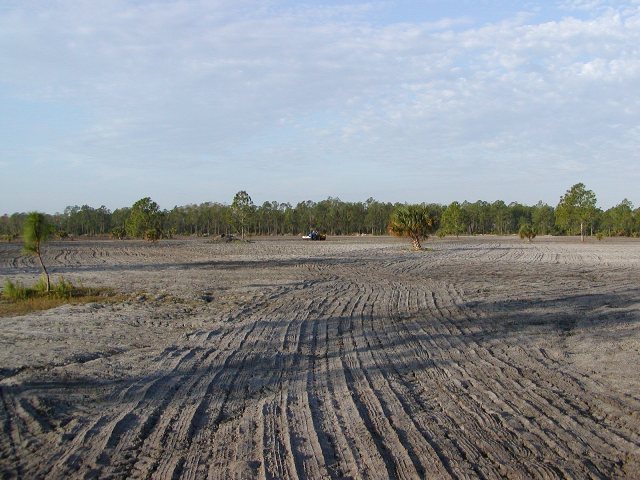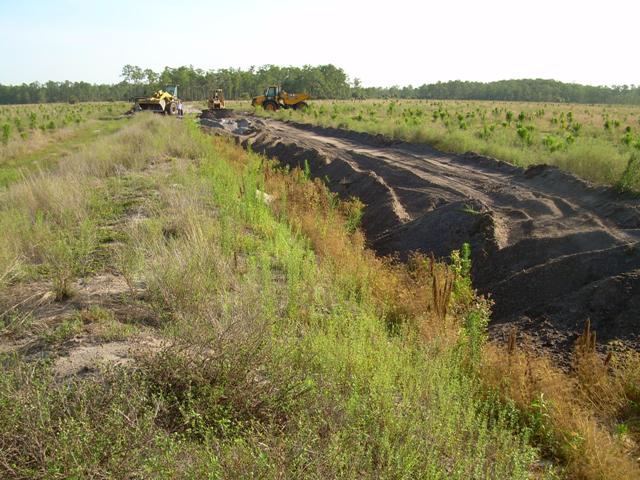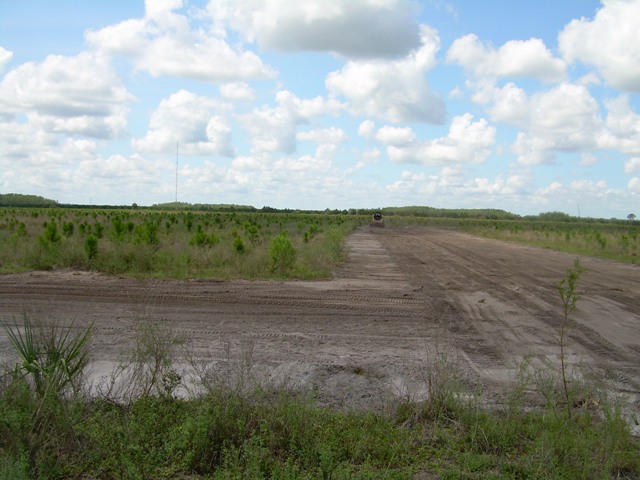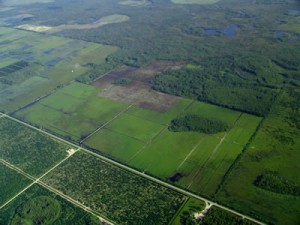
An aerial view of the site (looking NW). Restoration has just commenced in Cell 5 (dark soil). Spring 2005.
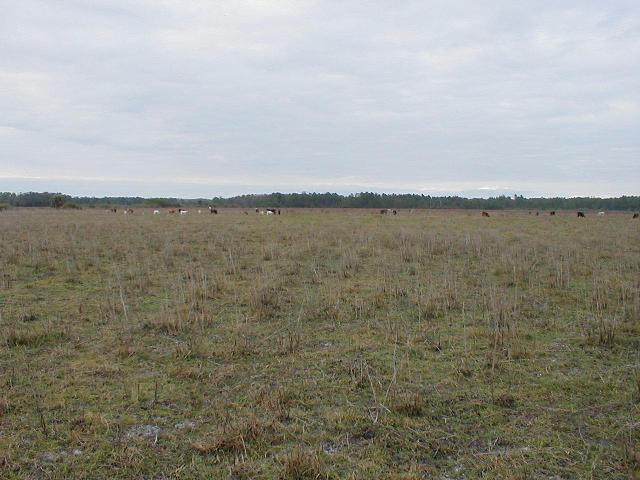
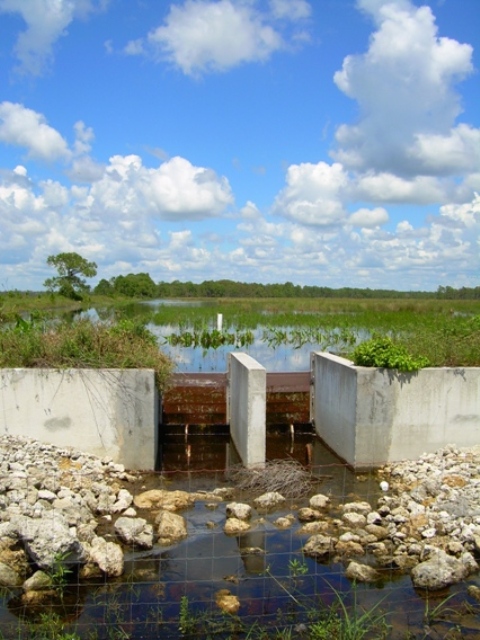
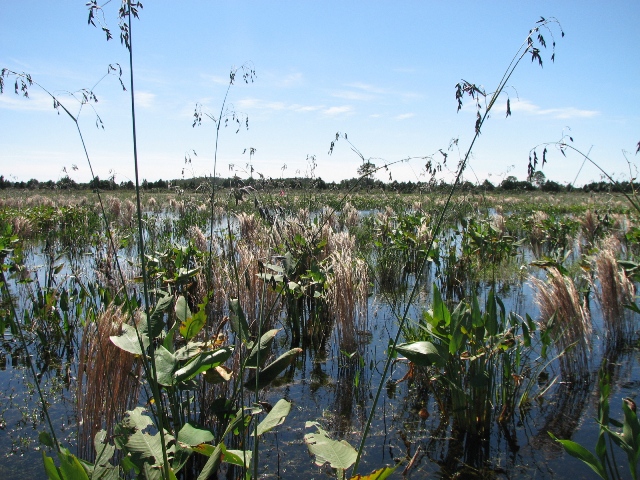
The primary components of this bank include the restoration of over 390 acres of drained pastureland to a native hydric pine system matrix containing cypress, marsh, prairie, wetland hardwood, and upland areas. In addition, approximately 240 acres of native wetlands and uplands will be enhanced through hydrological improvements, exotic vegetation control and maintenance, and implementation of prescribed burns. The restoration of the Corkscrew Regional Mitigation Bank will provide freshwater, forested, and herbaceous wetland mitigation credits that may be used to offset development project impacts to wetlands within portions of Lee, Hendry, and Collier Counties. Historic site evaluations, site-specific water budgets/hydrographs, geotechnical review, and surrounding land constraints were used to determine final design parameters.
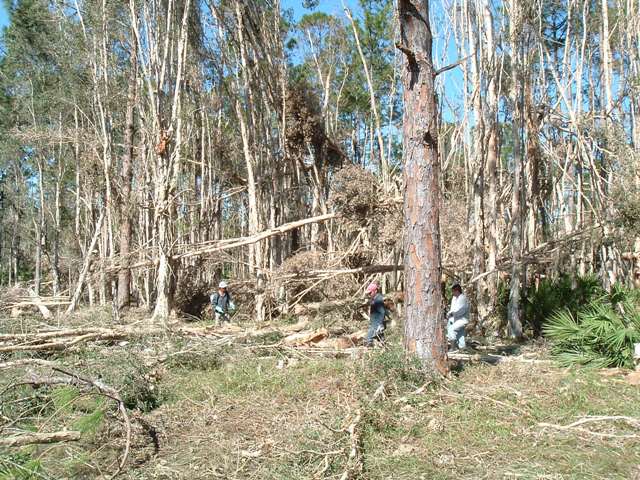
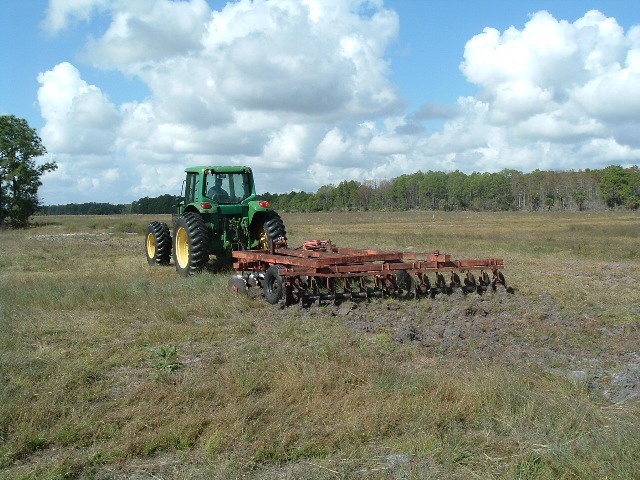
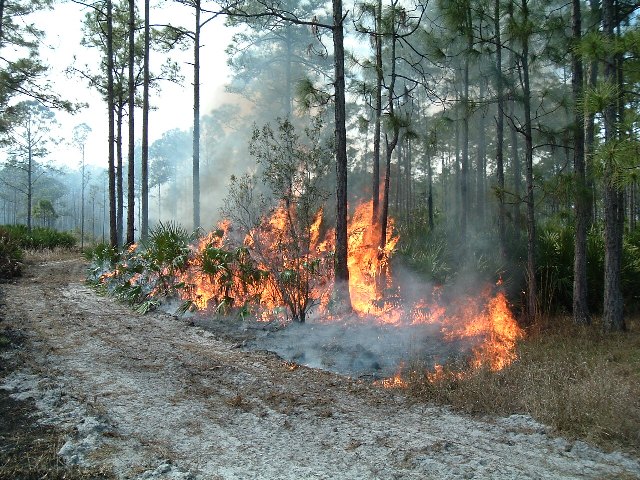
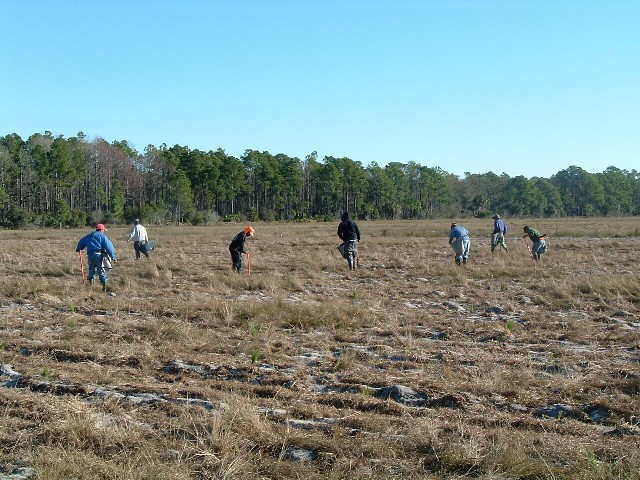
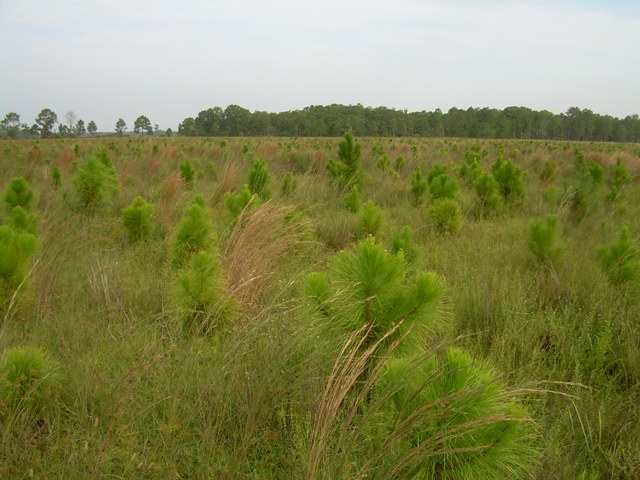
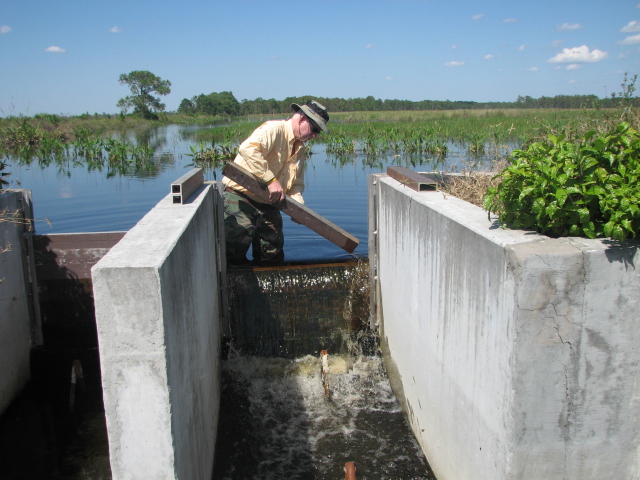
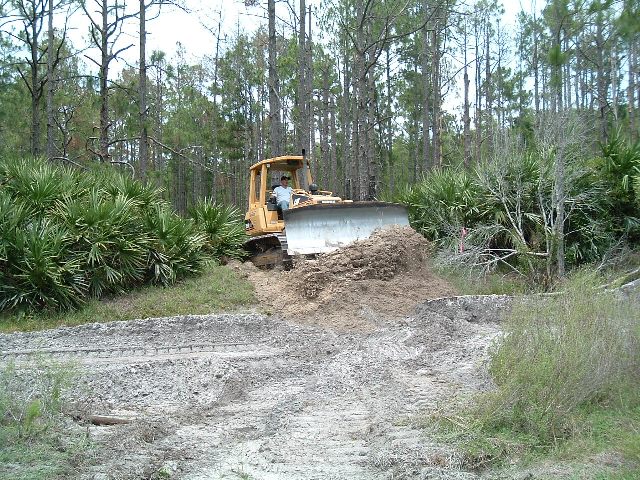
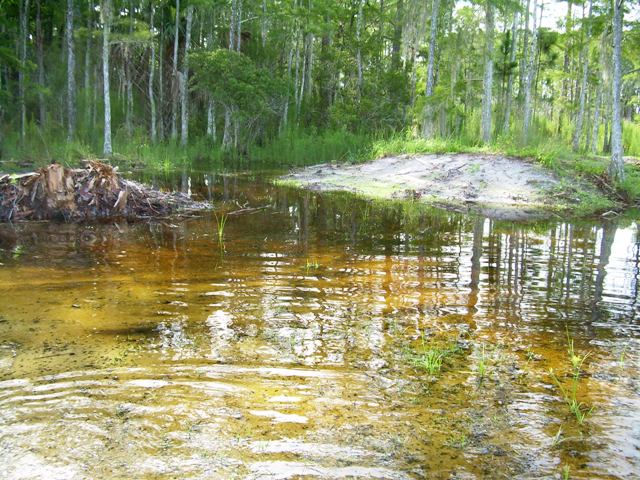
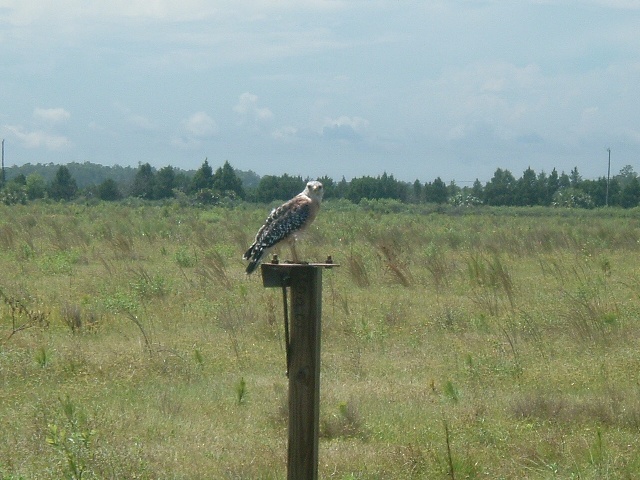
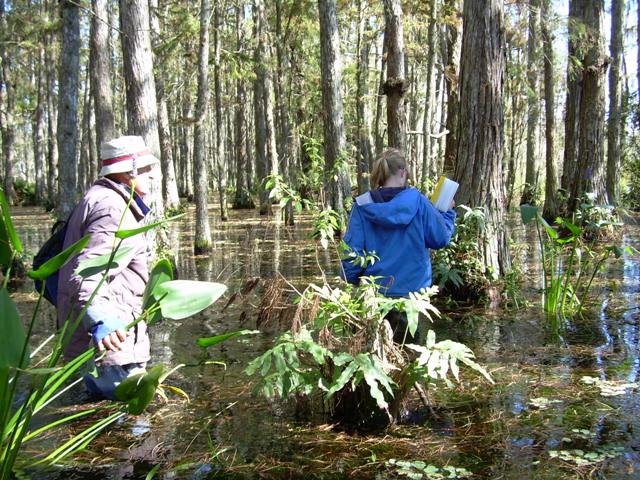
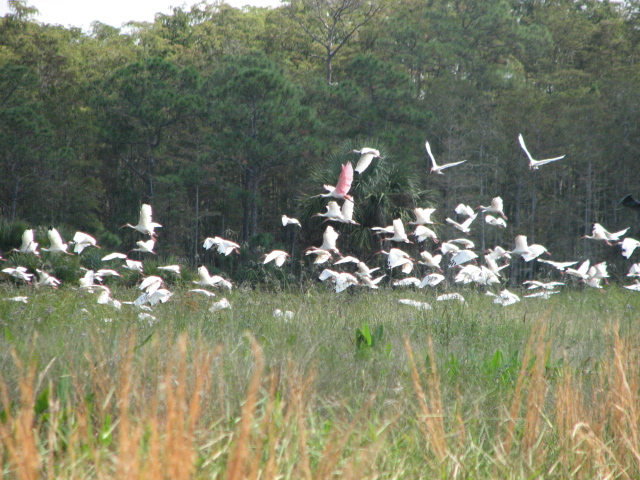
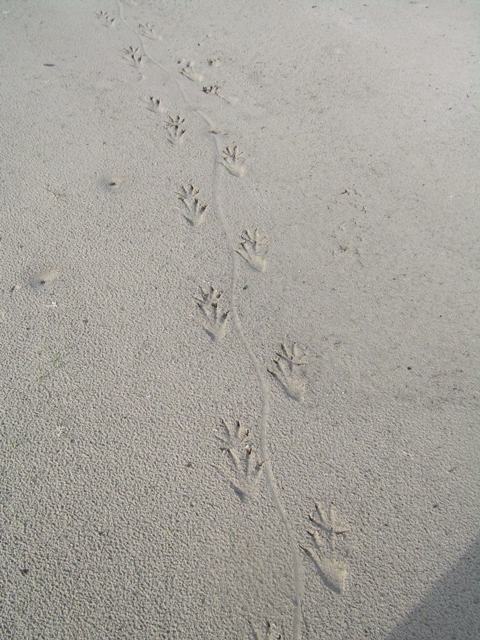
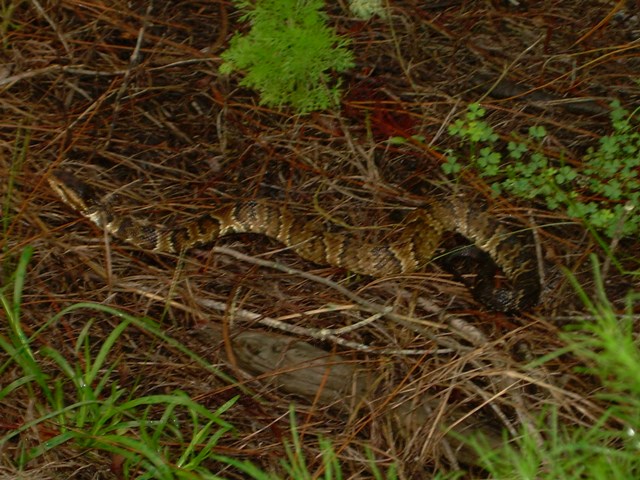
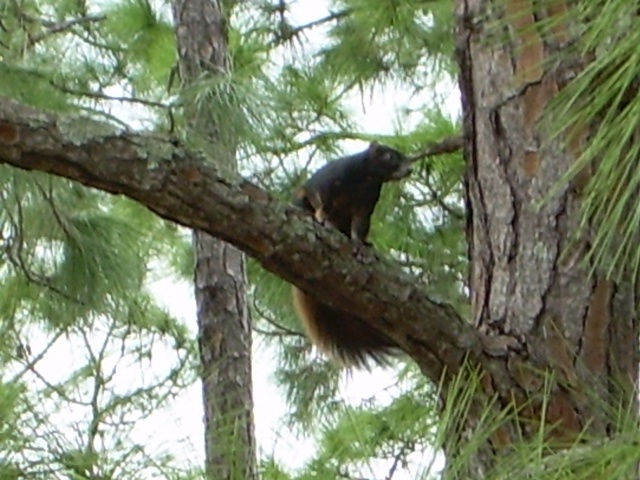
Restoration commenced in May 2005 with the majority of the hydrological and habitat restoration completed in 2008. All activities on-site were conducted under the direct supervision of Kevin L. Erwin, the Qualified Mitigation Supervisor (QMS), with site visits by KECE ecologists occurring on an as needed basis each week (typically daily). The restoration and project management included managing surface water on-site, removing invasive exotic vegetation, seeding, planting, prescribed burning, GPS data collection, contracting and supervising subcontractors, and monitoring. All restoration procedures were applied to optimize ecological enhancement of wetland and/or surface water resources. The restoration activities through October 2009 have been successful. Most importantly, the hydrological restoration of the site has been successfully completed and should be sustainable with proper management. Additional signs of restoration success are the high wildlife utilization of the site including 10 threatened or endangered species: wood stork, Audubon’s crested caracara, American bald eagle, American alligator, eastern indigo snake, Florida ribbon snake, Big Cypress fox squirrel, sandhill crane, snail kite, and Florida panther.